Posts

How to Plan a Jain Temple Visit During Your Kutch Holiday from Vadodara
Image
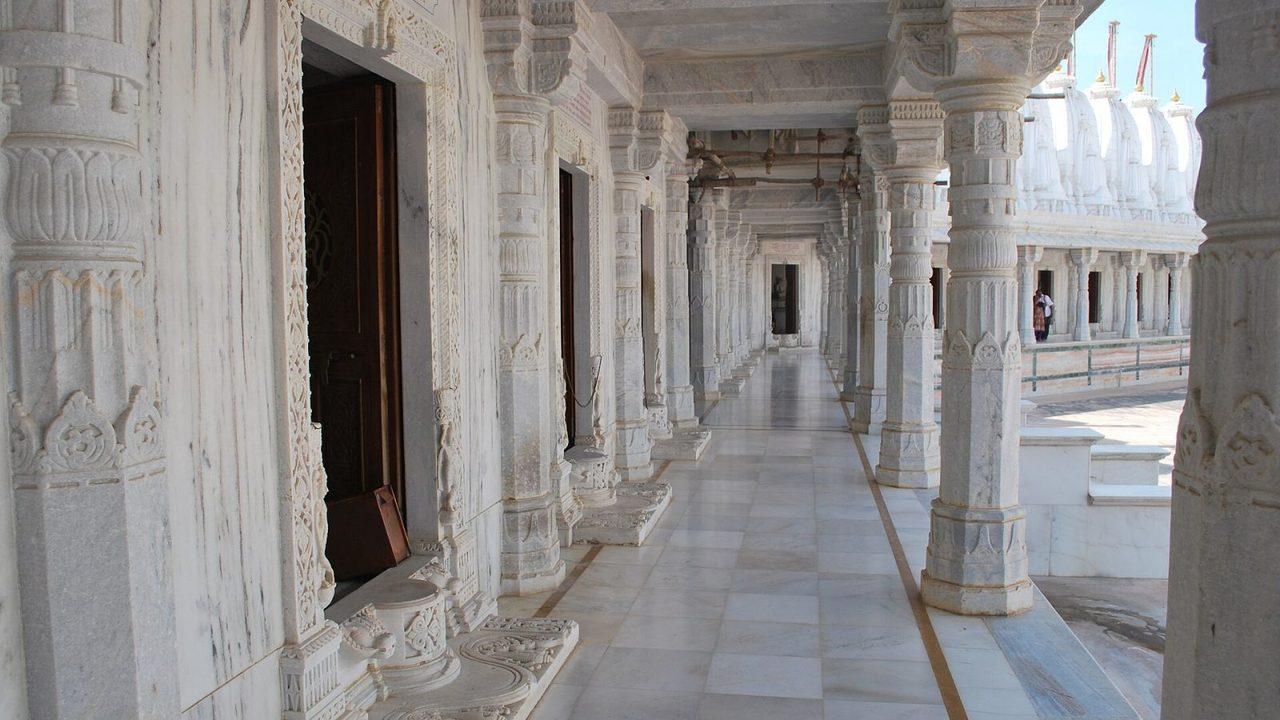
For many Jain families in Vadodara, a holiday is not complete without darshan at a meaningful tirth. Kutch offers that alongside its famous white desert, making it possible to combine spiritual visits with sightseeing in a single trip. The region has a long Jain heritage, with temples ranging from ancient shrines to grand modern complexes built by the community. Planning the route carefully, keeping food preferences in mind and timing temple visits around darshan hours ensures the journey feels peaceful rather than rushed, for elders and children alike. Getting There From Vadodara The Vadodara to Rann of Kutch distance  by road comes to around 450 to 500 km, depending on where in the desert you are heading. The usual route passes through Ahmedabad and then continues west into Kutch via Bhachau to Bhuj. Driving time is generally eight to ten hours. Many families prefer to leave early in the morning and reach Bhuj by evening, resting overnight before any sightseeing. Trains to Bhuj a...
Surat to Rann of Kutch: Travel Routes and Heritage Attractions in Mandvi

Image
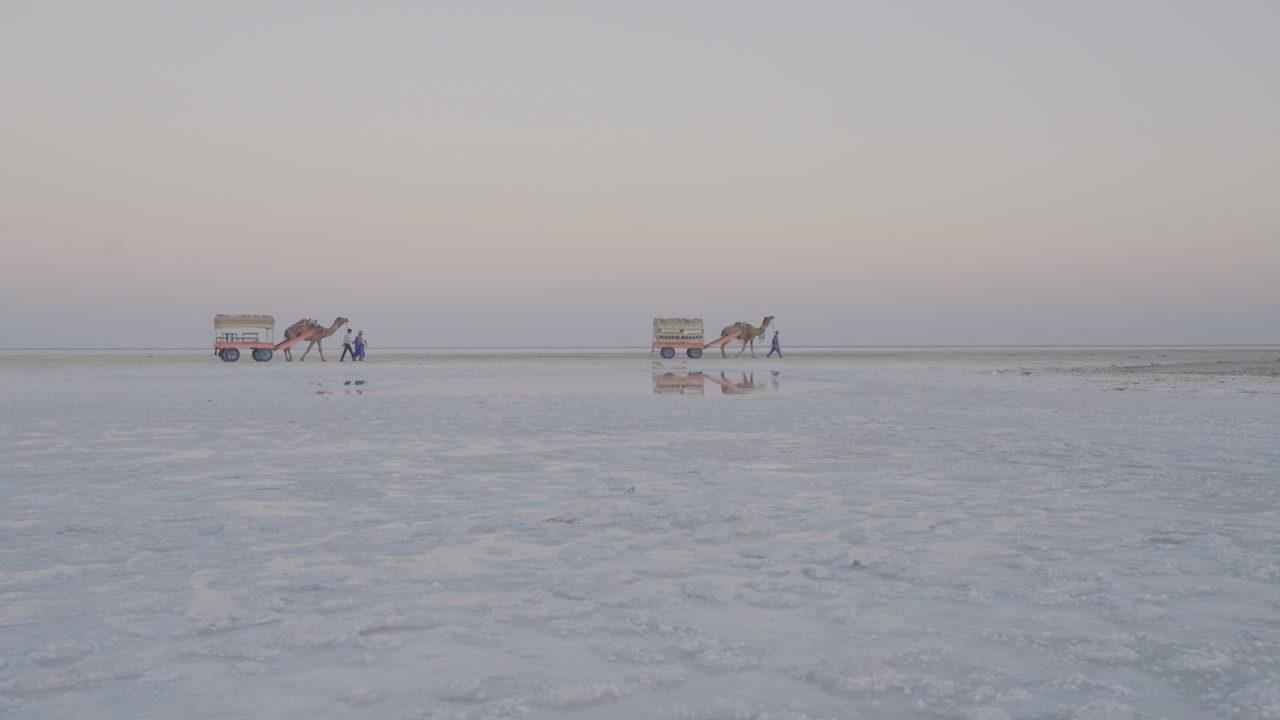
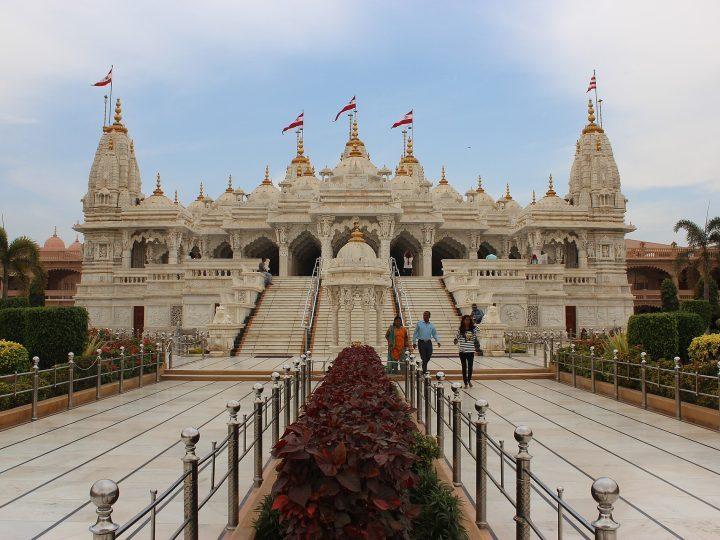
Surat families love a good road trip, and Kutch makes an excellent one. The journey crosses most of Gujarat, from the textile city on the Tapi to the salt desert near the Pakistan border, passing industrial belts, farmland and the open scrubland of Kutch along the way. Instead of heading straight for the white desert, many travellers now add a coastal detour to Mandvi, where a royal palace, an old shipbuilding tradition and a quiet beach make a refreshing contrast. Planning the route well turns a long drive into a varied and enjoyable holiday. How Long Is the Journey? The Surat to Rann of Kutch distance  by road is roughly 600 to 650 km, depending on your final destination near the desert. Most travellers drive via Vadodara and Ahmedabad, then continue west through Kutch to Bhuj and on to the white desert. Driving time is usually 11 to 13 hours without long stops. Splitting the journey across two days, with an overnight halt around Ahmedabad or Bhuj, makes it much more comfortable,...

What to Know About Travelling from Mumbai to Bhuj and the Rann of Kutch

Image
For Mumbaikars, Kutch feels both close and far. It is in the neighbouring state, many families have roots there, and the language and food feel familiar. Yet the white desert is a long way from Marine Drive, and the choice between flying, taking an overnight train or driving changes the whole shape of the trip. Each option suits a different budget, schedule and travel style. Understanding the time, comfort and costs involved helps you choose the route that leaves you fresh enough to enjoy the desert rather than recovering from the journey. How Far is It, Really? The Mumbai to Rann of Kutch distance  by road is roughly 850 to 950 km, depending on your exact destination in the desert and the route you take. Most drivers travel via Ahmedabad and then head west towards Bhuj, from where the white desert near Dhordo is around two hours further. That makes it a long journey by road, usually 15 to 18 hours of driving time, which is why many travellers prefer to fly or take the train for th...

What Makes Aina Mahal and Dhordo Worth Including in a Kutch Itinerary?

Image
Many visitors arrive in Kutch with one image in mind: the white desert under a full moon. It is a wonderful sight, but stopping there means missing two experiences that explain the region far better. One is a palace in the old city of Bhuj, where an eighteenth-century craftsman blended local skills with ideas he brought back from Europe. The other is a small village on the edge of the salt flats that has turned its traditions into a celebrated model of community tourism. Together, they show the royal and rural sides of Kutch. A Palace Built on Curiosity Aina Mahal, whose name means "Palace of Mirrors", was built in the mid-1700s during the reign of Rao Lakhpatji. Its most famous creator was Ramsinh Malam, a Kutchi craftsman who had spent years abroad, reportedly learning skills such as glassmaking, tile work and clock-making in Europe. On his return, he brought those ideas to Bhuj. The result is a palace where Kutchi woodcarving sits beside European-style clocks, painted tile...

How to Choose Tent Accommodation for a Winter Festival Trip to Kutch

Image
Sleeping in a tent on the edge of a salt desert sounds romantic, and it usually is. You step out after dinner to folk music drifting across the camp, the air smells of woodsmoke and the stars feel close enough to touch. But tents vary enormously, from basic shelters to air-conditioned suites with carved furniture. Choosing the wrong one can mean a cold, uncomfortable night or paying for luxury you never use. Understanding what separates one category from another helps you pick a stay that matches your budget, comfort level and travel style. Know the Main Tent Categories Festival tent cities and private camps near the white desert generally offer a few broad types of accommodation: Basic non-AC tents with simple furnishings and shared or attached bathrooms Deluxe tents with better bedding, heaters and private bathrooms Premium or AC tents with more space, upgraded interiors and extra amenities Royal or suite-style tents, sometimes with separate seating areas and decorative interiors Nam...

What Should You Pack for a Full Moon Night at the Rann of Kutch?

Image
There is a moment, just after sunset on a clear winter evening, when the moon rises over the salt flats and the whole desert begins to glow. Shadows sharpen, the horizon disappears and people who were chatting a minute ago fall silent. It is one of the most magical experiences in India. It is also surprisingly cold, very windy at times and far from shops or pharmacies. What you carry in your bag decides whether you spend that evening shivering and searching for a torch, or simply standing still and taking it all in. Why Packing Matters More Than Usual A moonlit evening on the salt usually means staying out well after dark, often for two or three hours. Temperatures fall quickly once the sun goes down, the wind sweeps across open ground and there is very little shelter. Facilities on the salt flats are basic, and the nearest town may be an hour or more away. Planning your bag around these conditions makes the experience comfortable and safe. If you have not fixed your dates yet, our art...

How to Combine Kite Festival Celebrations with Sightseeing Around Bhuj

Image
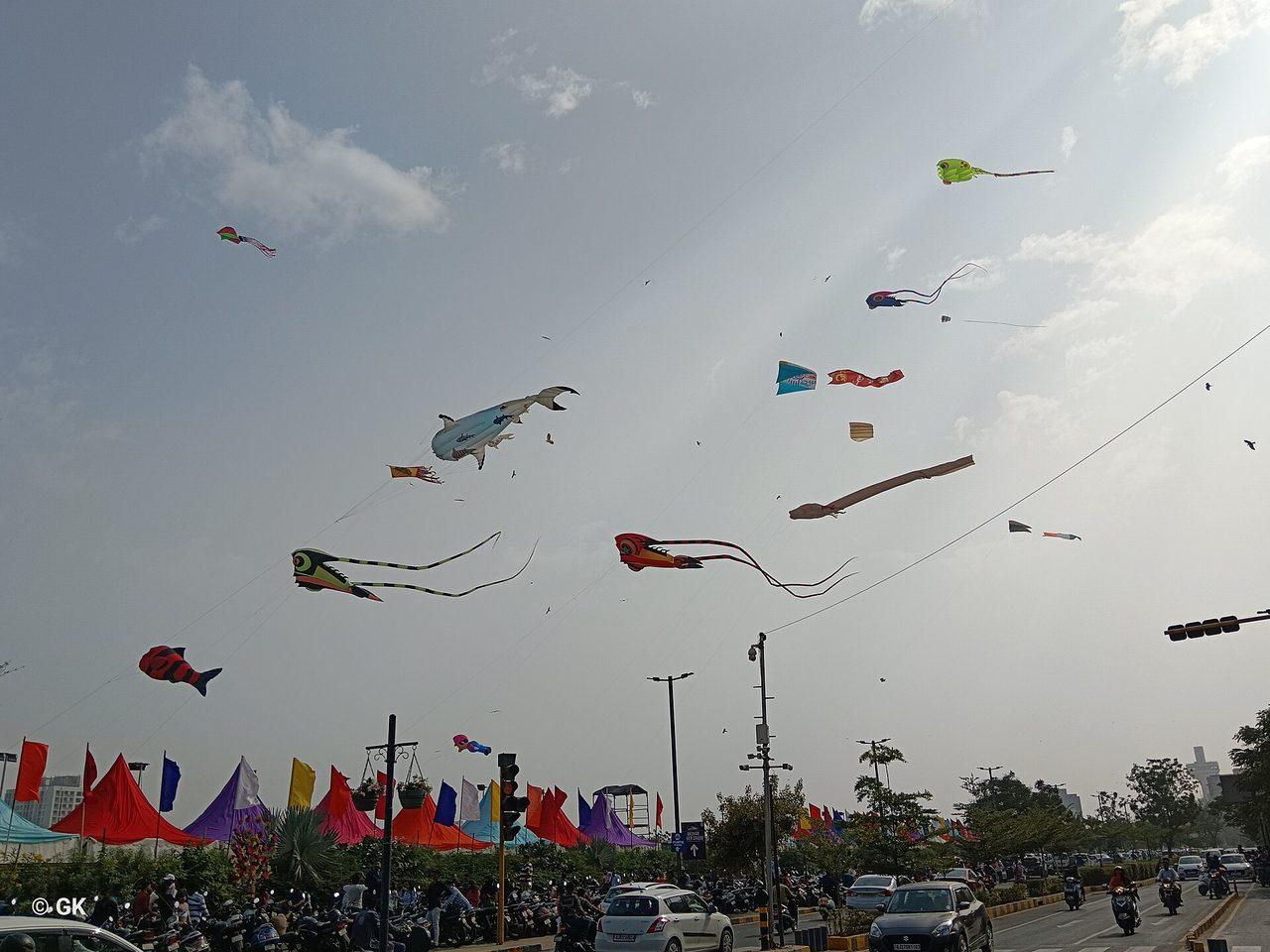
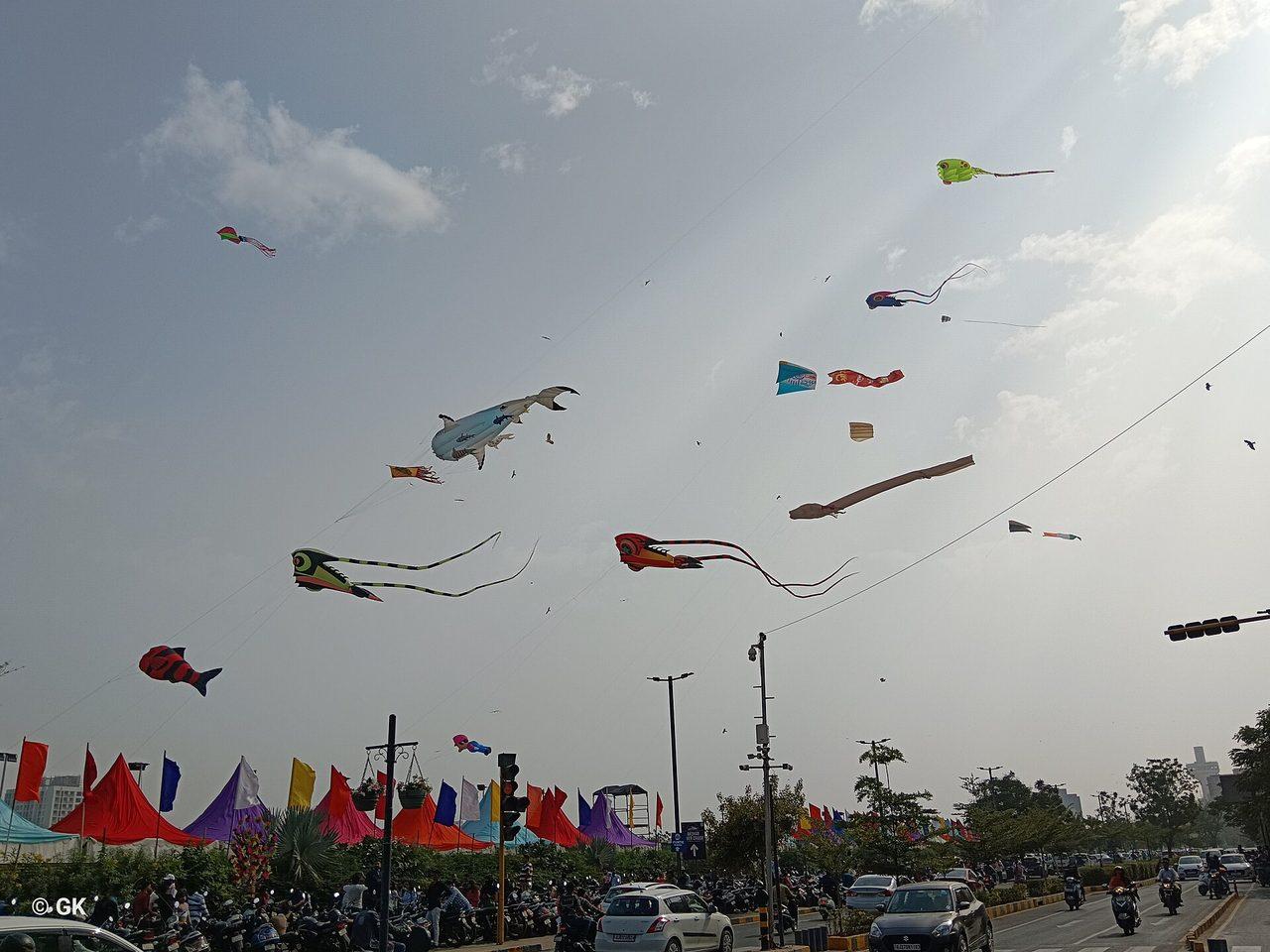
Mid-January in Gujarat has a sound of its own. From sunrise, rooftops fill with families, music plays from speakers, and the sky turns into a moving patchwork of colourful kites. Shouts of "kai po che!" ring out every time a rival kite is cut loose. Most people associate this celebration with Ahmedabad's crowded terraces, but it takes on a gentler, more open feel in the wide skies of Kutch. Planning a short holiday around these days lets you enjoy the festivities and the region's sights in one memorable trip. Understanding Uttarayan Uttarayan marks Makar Sankranti, the day the sun begins its northward journey, and is usually celebrated on 14 January. In Gujarat, the following day, known as Vasi Uttarayan, often continues the fun. Kite flying is the highlight, but the festival is also about food, family and community. Traditional treats include undhiyu, a mixed winter vegetable dish, along with jalebi, chikki and til laddoos. Many families spend the entire day on their...