What Makes Aina Mahal and Dhordo Worth Including in a Kutch Itinerary?
Many visitors arrive in Kutch with one image in mind: the white desert under a full moon. It is a wonderful sight, but stopping there means missing two experiences that explain the region far better. One is a palace in the old city of Bhuj, where an eighteenth-century craftsman blended local skills with ideas he brought back from Europe. The other is a small village on the edge of the salt flats that has turned its traditions into a celebrated model of community tourism. Together, they show the royal and rural sides of Kutch.
A Palace Built on Curiosity
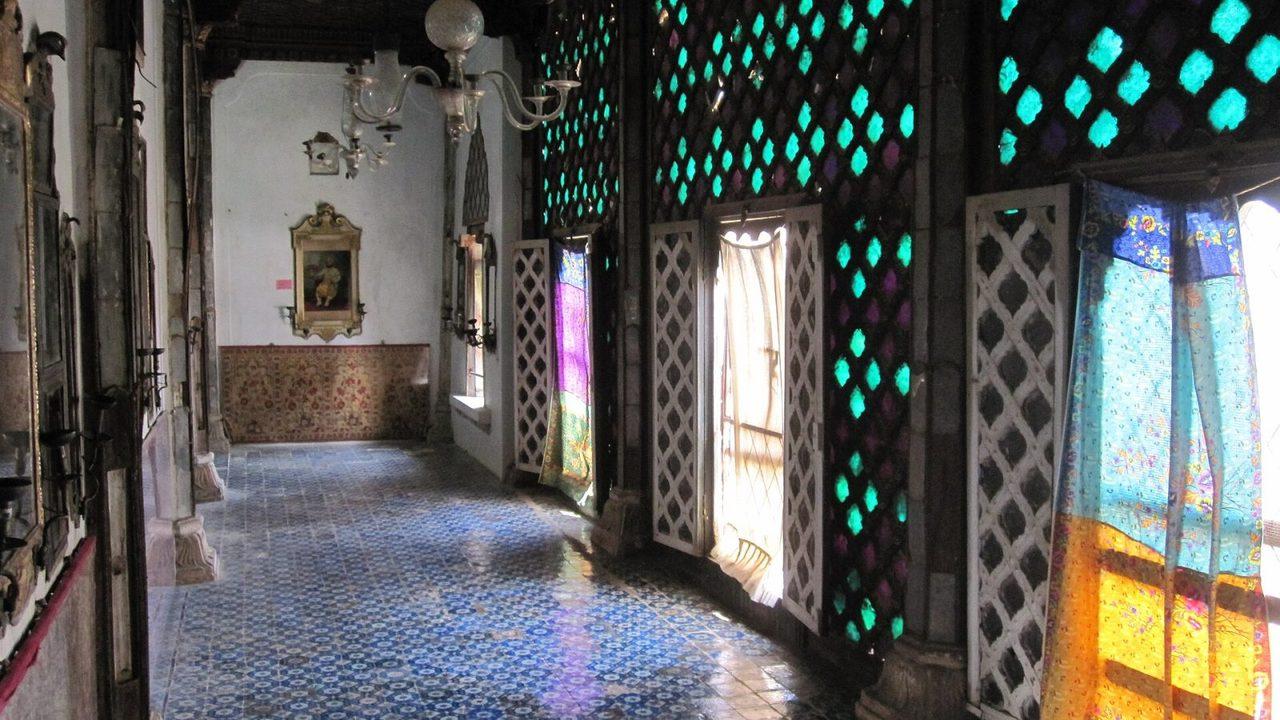
Aina Mahal, whose name means "Palace of Mirrors", was built in the mid-1700s during the reign of Rao Lakhpatji. Its most famous creator was Ramsinh Malam, a Kutchi craftsman who had spent years abroad, reportedly learning skills such as glassmaking, tile work and clock-making in Europe.
On his return, he brought those ideas to Bhuj. The result is a palace where Kutchi woodcarving sits beside European-style clocks, painted tiles and walls lined with mirrors. It reflects a ruler who was curious about the wider world and a craftsman willing to experiment.
What You Can See Inside
Today, part of the palace functions as a museum. Visitors can explore rooms decorated with mirror work, glass chandeliers, paintings and ornate furniture. Highlights often include the mirrored hall, collections of clocks and decorative objects, and displays that show royal life in Kutch. Look closely at the doorways and ceilings, where some of the finest detail hides.
The palace was damaged in the 2001 earthquake, and some sections remain closed or restored. Even so, a visit to Aina Mahal Bhuj offers a rare glimpse into the artistic ambitions of Kutch's former rulers. Check opening days and timings before you go, as they can change.
Pairing It With Nearby Sights
Aina Mahal sits in the old palace complex, close to Prag Mahal with its tall clock tower and Italian Gothic style. A short walk away, Hamirsar Lake offers a peaceful spot in the evening. You can easily combine all three in a single afternoon, followed by shopping for bandhani and embroidery in the nearby markets.
Dhordo: A Village That Welcomes the World
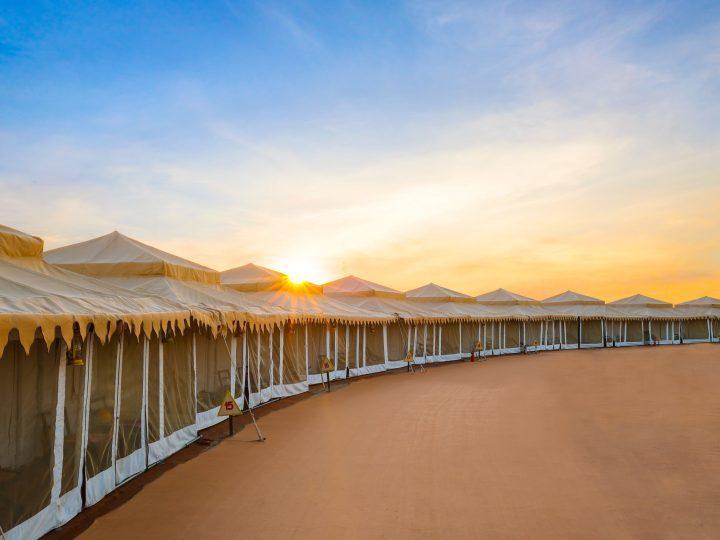
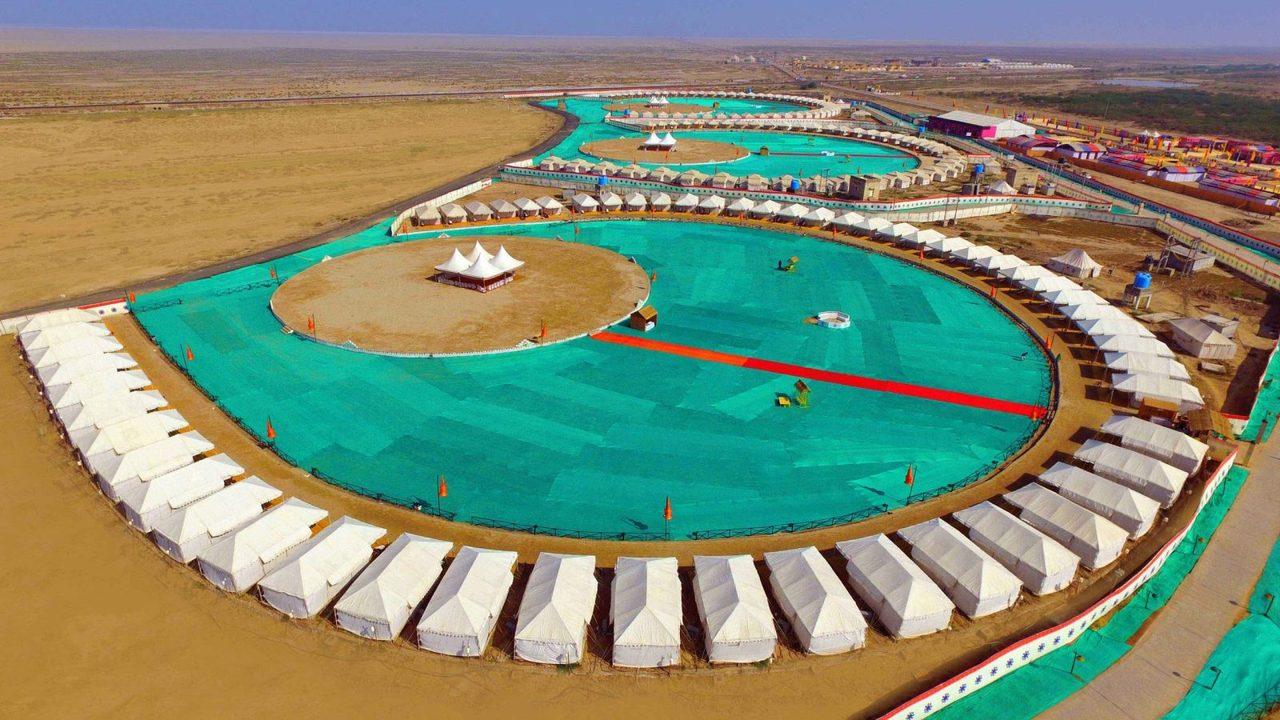
Around two hours north of Bhuj, close to the white desert, lies Dhordo. Once a quiet village known mainly to its residents and herders, it is now home to the tent city that hosts the festival every winter.
In 2023, Dhordo was recognised by the UN World Tourism Organization as one of the Best Tourism Villages, highlighting its success in combining tourism with local culture and livelihoods, and bringing the region fresh international attention.
The Village Experience
Walking through Dhordo and nearby villages, you will see bhungas, the traditional circular mud houses with conical thatched roofs. Their thick walls keep interiors cool in summer and warm in winter, and many are decorated with mud and mirror work.
Artisans in the area practise crafts such as embroidery, leatherwork and mud work. Buying directly from them supports local families and gives you a chance to learn about the skills behind each piece.
Why the Festival Base Matters
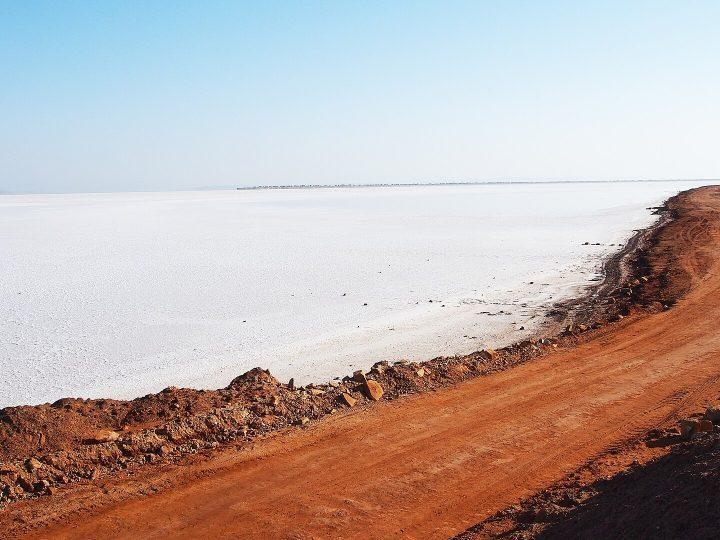
For many travellers, Rann Utsav Dhordo Gujarat is the centre of their winter trip. The tent city provides comfortable stays, cultural programmes and easy access to the white desert at sunset and moonrise. But spending some time in the village itself adds depth to the experience, connecting the festival to the people who live there year-round.
Planning Both Into Your Trip
A simple way to include both is to spend your first afternoon at Aina Mahal Bhuj and the old city, then drive to Dhordo the next day. Visit artisan homes and craft centres before heading to the white desert for sunset. If you are staying in the tent city, you can explore the village at a relaxed pace the following morning.
How Much Time to Allow
Plan around two hours for the palace complex, including Prag Mahal next door. In Dhordo, half a day is enough to walk through the village, meet artisans and shop, though an overnight stay lets you see the salt flats at both sunset and sunrise. Avoid squeezing either into a rushed stop between long drives.
Tips for a Respectful Visit
Whether you visit for a day or stay through the Rann Utsav Dhordo Gujarat season, a few simple courtesies go a long way:
- Ask before photographing people or homes.
- Dress modestly when visiting villages and temples.
- Bargain politely, remembering that handmade work takes time.
- Avoid littering and carry your waste back with you.
- Respect the privacy of families living in bhungas.
January visits can add festive colour too. Our article Want a Different Uttarayan This Year? Put Kutch on Your List explains how Makar Sankranti celebrations can fit into a winter trip to the region.
Closing Thoughts
The palace of mirrors and the village beside the white desert show two different faces of Kutch. One reflects royal ambition and cross-cultural craftsmanship, while the other celebrates rural traditions, community and hospitality. Including both in your itinerary adds history, culture and meaning to a trip that might otherwise focus only on the salt flats. Plan your time sensibly, travel respectfully and enjoy the stories behind the sights. If you would like palace visits and village walks woven into your plan, the Rann of Kutch Festival team will happily suggest the best order.
Comments
Post a Comment