The Side of Kutch Most Visitors Never Make Time For
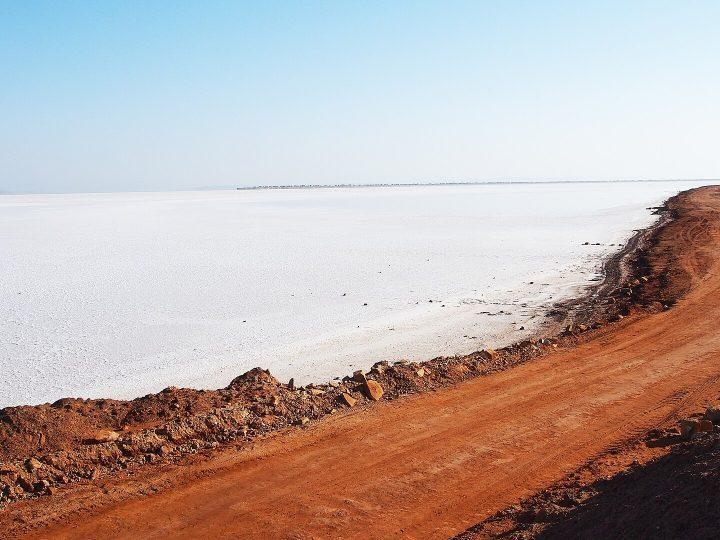
Everyone comes for the White Rann. Fewer people make time for everything around it. The craft villages, the grasslands, sunrise at Black Hill and roadside food stops often end up becoming the highlights visitors talk about later. These quieter experiences reveal a different side of Kutch and are surprisingly the parts most travellers skip while trying to fit too much into one route.
The Salt Desert Gets the Attention, But the Villages Deserve It
The Rann of Kutch Festival draws visitors toward Dhordo, and rightly so. But within 30 to 60 kilometres of the festival site sit communities that have been practising the same craft forms for hundreds of years. Nirona village is home to the last remaining practitioners of rogan art, a technique involving natural dyes and a single thumb, a craft form that exists almost nowhere else in the world. Zura village is known for hand-beaten copper work. These places are rarely crowded and rarely rushed, and visiting them alongside the festival adds genuine texture to the trip.

The Banni Grasslands: Flat, Quiet and Completely Overlooked
Between Bhuj and the Rann, the Banni grasslands stretch across roughly 2,500 square kilometres of open land. This is one of the largest grassland ecosystems in Asia, and it is almost absent from standard travel itineraries. The communities living here, primarily the Maldhari pastoralists, maintain a way of life that has changed slowly over generations. A short detour through Banni on the way to Dhordo costs very little time but provides a context for the landscape that the Rann alone does not offer.
A Morning on Kala Dungar Changes the Scale of Everything
Kala Dungar, the Black Hill, is the highest point in Kutch at 462 metres. From the top, the view encompasses the White Rann, the edge of the Banni grasslands, and on clear days, the distant outline of the Pakistan border. Most visitors reach the summit by mid-morning and find it comfortably uncrowded. The small Dattatreya temple at the peak has been maintained continuously for centuries, and the tradition of feeding wild foxes here has continued uninterrupted. It is one of those places that reframes the geography you have been travelling through.
Food That Does Not Appear on Most Itineraries
Kutchi cuisine is not particularly well-documented in travel content, which means most visitors eat whatever the resort or camp serves. What gets missed:
- Dabeli: a spiced potato filling in a toasted bread roll, originally from Mandvi
- Bajra rotla with white butter: flatbread made from pearl millet, best eaten fresh off the griddle
- Kutchi kadhi: a yoghurt-based preparation that is thinner and sourer than the Gujarati version
- Ganthiya with tea: a morning staple across Bhuj's older neighbourhoods
Asking locally where these are eaten, rather than where they are served to tourists, usually leads to better results.

Why the Right Tour Packages Make This Possible
Accessing these less-visited parts of Kutch is significantly easier with the right tour packages. Operators who focus on the region often include village detours, Banni crossings, and Kala Dungar in their standard itineraries without charging separately for each. Independent travel is entirely possible, but the distances and limited signage in interior Kutch mean that a guided route saves both time and navigation uncertainty. The Festival season is when the widest range of tour package is available, with options ranging from budget to curated.
Conclusion
Kutch rewards travellers who take time to look beyond the obvious. The Rann of Kutch Festival may be the reason most people arrive, but the memories that last often come from everything around it, quiet village roads, local conversations, changing landscapes and moments that never make it into the itinerary. That wider experience is usually what gives people a reason to return.
Comments
Post a Comment